Understanding the history of Vienna is like having a key to the city. It turns every walk through its streets into a journey through time. Imagine living in Vienna and walking past buildings where emperors once roamed or where revolutionary ideas were born. Knowing the stories behind the ancient ruins, the grand palaces, and the modern landmarks makes living here more meaningful. It connects you to the city’s past and enriches your experience as a resident. So, whether it’s the Celtic and Roman beginnings or the vibrant modern Vienna, each part of history helps you appreciate the city’s importance and your place in it.
Celtic and Roman Beginnings
Ancient and Medieval Period (500 BCE - 1526 CE)
Vienna’s history begins with the Celts, who some say originally called the city Vedunia meaning “forest stream”, others state that the name comes form Vindobona meaning “fair village”. Around 500 BCE the Celts were among the first to establish a community in the area. Later, around 15 BCE, the Romans recognized its strategic importance and developed it into a fortified frontier city, serving as a military camp to guard against Germanic tribes.
After the fall of the Roman Empire, Vienna evolved through the influence of various tribes, including the Babenberg dynasty, which ruled from the 10th century. By the 12th century, Vienna became an important commercial and political hub within the Holy Roman Empire. The city’s growth continued under the Habsburg dynasty from 1278, establishing it as the heart of their dominions. In 1526, the Battle of Mohács marked the beginning of the Ottoman-Habsburg wars, which significantly influenced Vienna’s development.
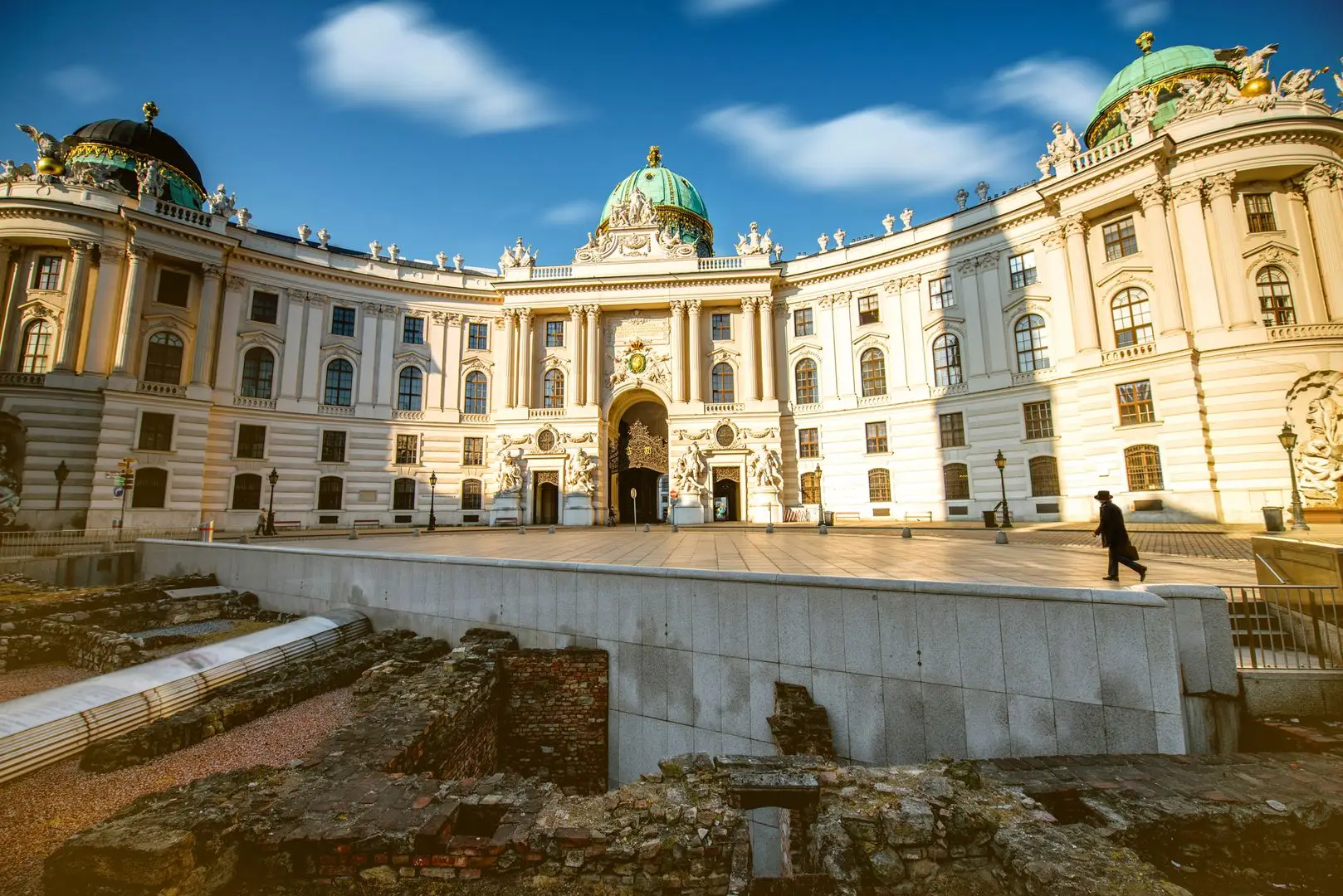
You can still visit today some of the remnants of this period, like the Roman ruins in front of Hofburg at Michaelerplatz.
Imperial Vienna
Renaissance and Baroque Periods (1526 - 1806)
The Renaissance brought about a cultural bloom in Vienna, with the city becoming a leader in science, fine arts and classical music, as exemplified by the works of Mozart and other prominent composers of the time.
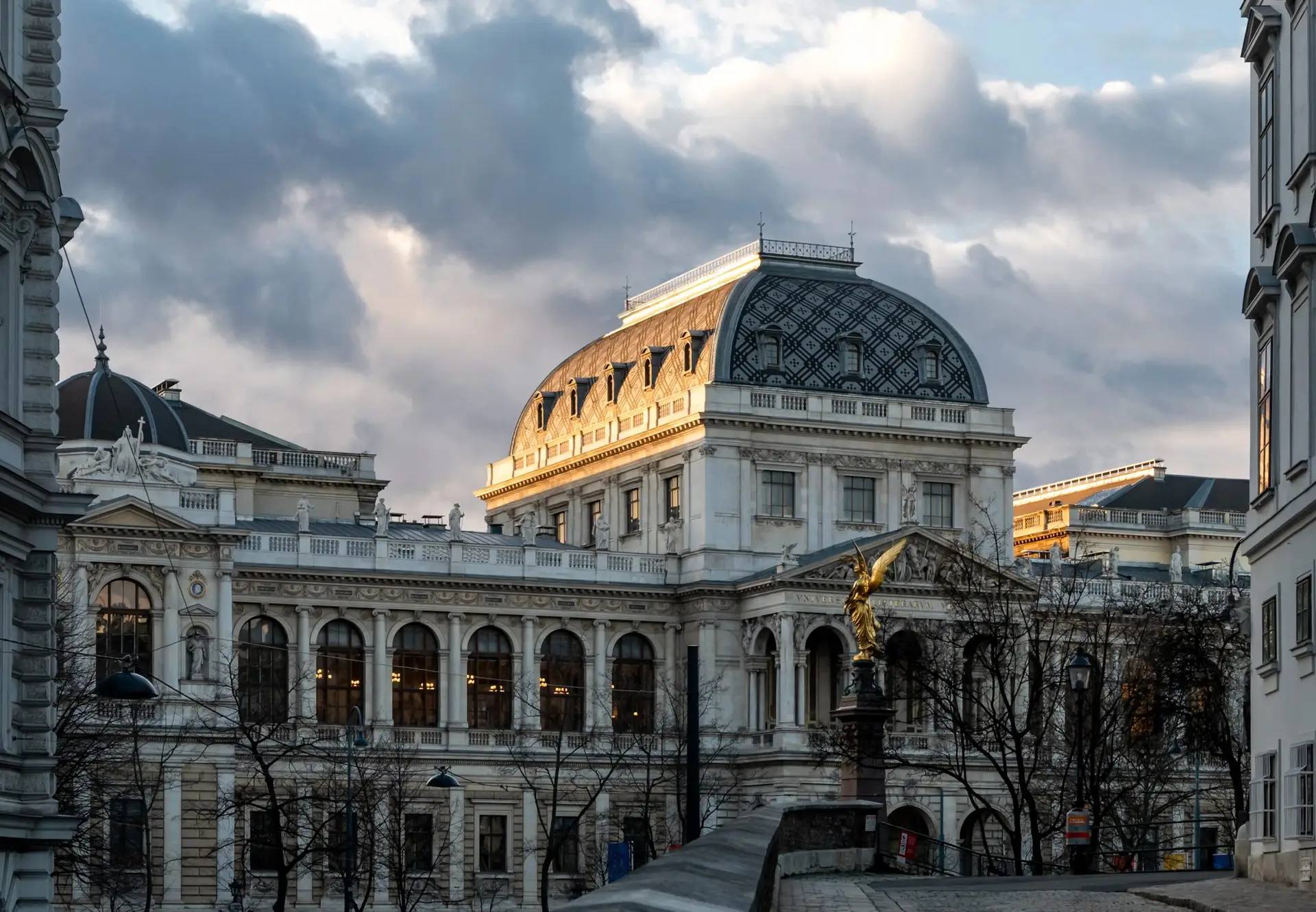
The University of Vienna (Universität Wien), founded in 1365, was a centre of humanism. The Baroque era saw Vienna’s architecture flourish, reflecting the wealth and power of the Habsburg Empire. The 16th and 17th centuries saw the construction of grand palaces and churches, reflecting the Baroque architectural style. This era also included the significant Siege of Vienna in 1683 when the Habsburg forces successfully repelled the Ottoman Empire. The victory marked a turning point, leading to the flourishing of the Baroque period, during which Vienna became a hub for arts, music, and intellectual activity.
Vienna’s famous coffee culture is said to have started after the Battle of Vienna in 1683, when sacks of coffee beans were left behind by the fleeing Ottoman army.
Intellectual brilliance and the fall of the Habsburgs
Austro-Hungarian Empire (1806 - 1918)
After the dissolution of the Holy Roman Empire in 1806, Vienna became the capital of the newly established Austrian Empire, and later the Austro-Hungarian Empire in 1867. During this time the Austro-Hungarian Empire was second-largest country in Europe after the Russian Empire.
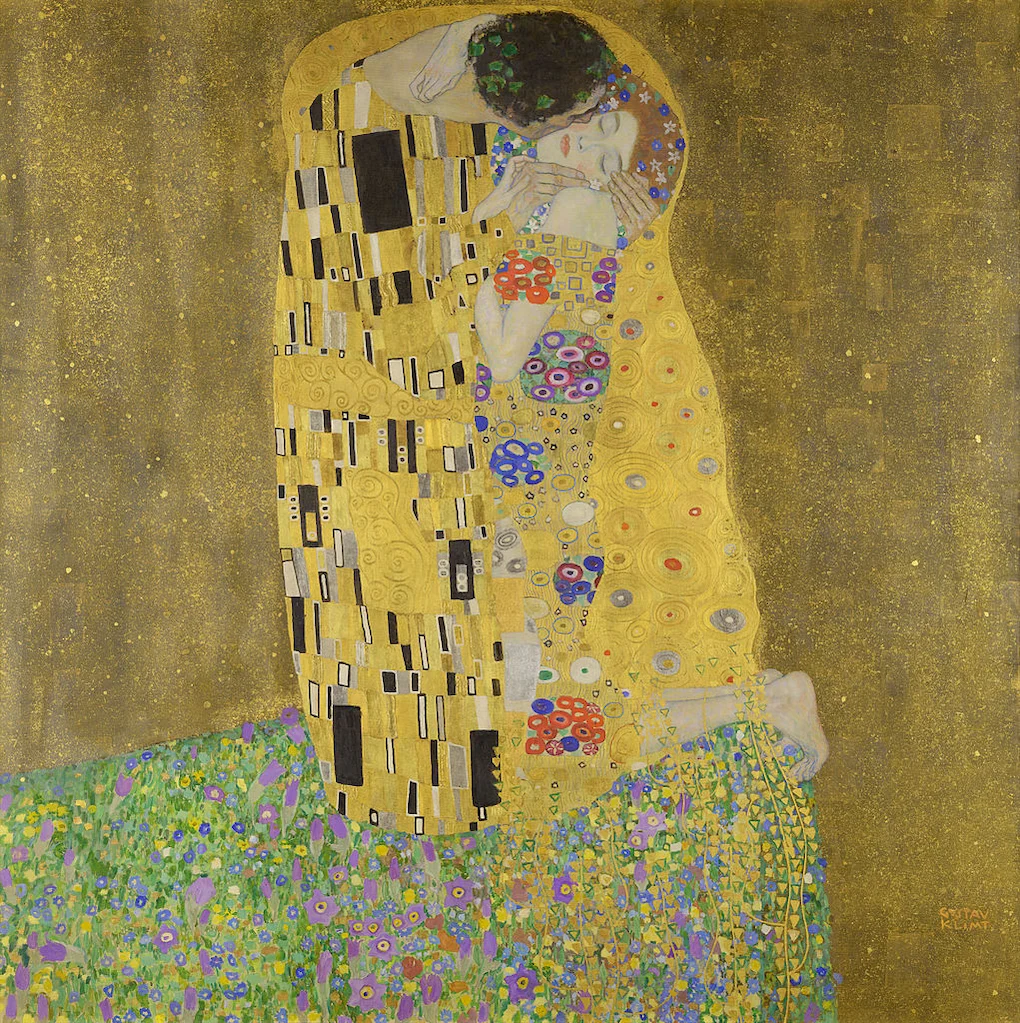
This period was marked by significant industrial, cultural, and social changes. Vienna became one of the largest cities in Europe, renowned for its intellectual and artistic life, featuring figures like Sigmund Freud, Gustav Klimt, Gustav Mahler, and Ludwig van Beethoven who composed his Seventh Symphony and other notable pieces during this period.
The city was a melting pot of different ethnicities within the empire, which contributed to its diverse culture. However, political tensions and nationalism within the empire ultimately led to its dissolution following World War I in 1918.
Red Vienna
Interwar Period (1918 - 1938)
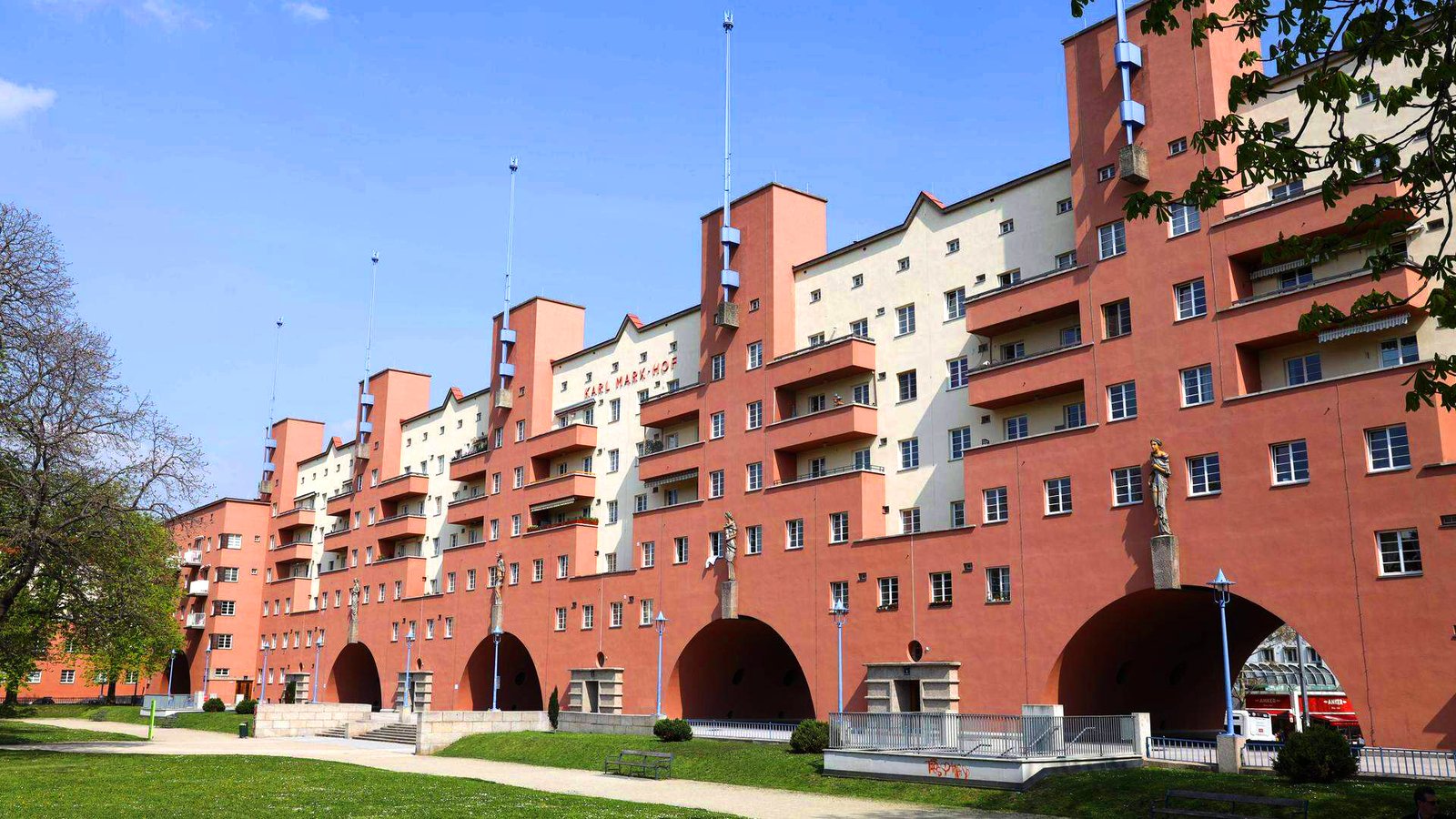
Following World War I, Vienna experienced significant upheaval as the capital of the newly formed Republic of Austria. The interwar period was marked by economic hardship, political instability, and social change. The city became known for its “Red Vienna” period from 1918 to 1934, where the Social Democratic Workers’ Party initiated extensive social housing projects and welfare programs. During this time the city built over 60,000 new apartments to provide affordable housing for the working class, a pioneering social policy at the time. One of the most notable examples of these projects is the Karl-Marx-Hof, a massive municipal housing complex that stretches over 1,100 meters and includes numerous amenities such as laundromats, kindergartens, and a library. To this day the Karl-Marx-Hof is still the longest single residential building in the world.
Despite these efforts, Austria was economically fragile, and political strife between socialist and conservative factions led to increasing instability, culminating in the Anschluss in 1938 when Nazi Germany annexed Austria.
From Anschluss to Liberation
Nazi Occupation and Post War Period (1938 - 1955)
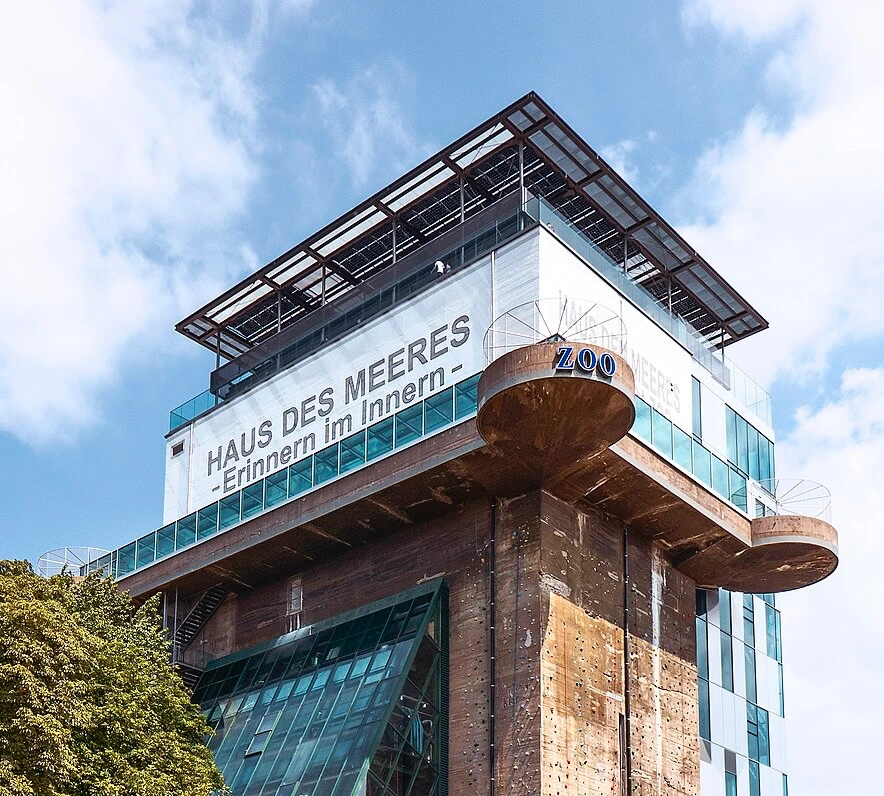
In 1938, Austria was annexed by Nazi Germany during the Anschluss, leading to severe repercussions for Vienna’s Jewish population and other minorities. From the balcony of the Neue Burg, Adolf Hitler proclaimed the Anschluss, marking a pivotal moment in the city’s history. Vienna suffered extensive damage during World War II from Allied bombings and the Soviet assault. A notable remnant from this period are the six Flak Towers, located in three pairs at Arenbergpark, Augarten, and Esterházypark, were designed to protect the city from air raids. While some have been repurposed, such as the Haus des Meeres aquarium and the MAK art storage facility, others remain unused. The towers at Augarten, for instance, are abandoned and have been deteriorating over time.
After the war, Vienna was divided into four occupation zones controlled by the Allies (the United States, the Soviet Union, Britain, and France). This period lasted until 1955, when the Austrian State Treaty was signed, re-establishing Austria as a sovereign state and leading to the withdrawal of occupation forces. Vienna then began the process of reconstruction and regained its status as a significant European capital.
A 21st Century Metropolis
Modern Vienna (1955 - Present)
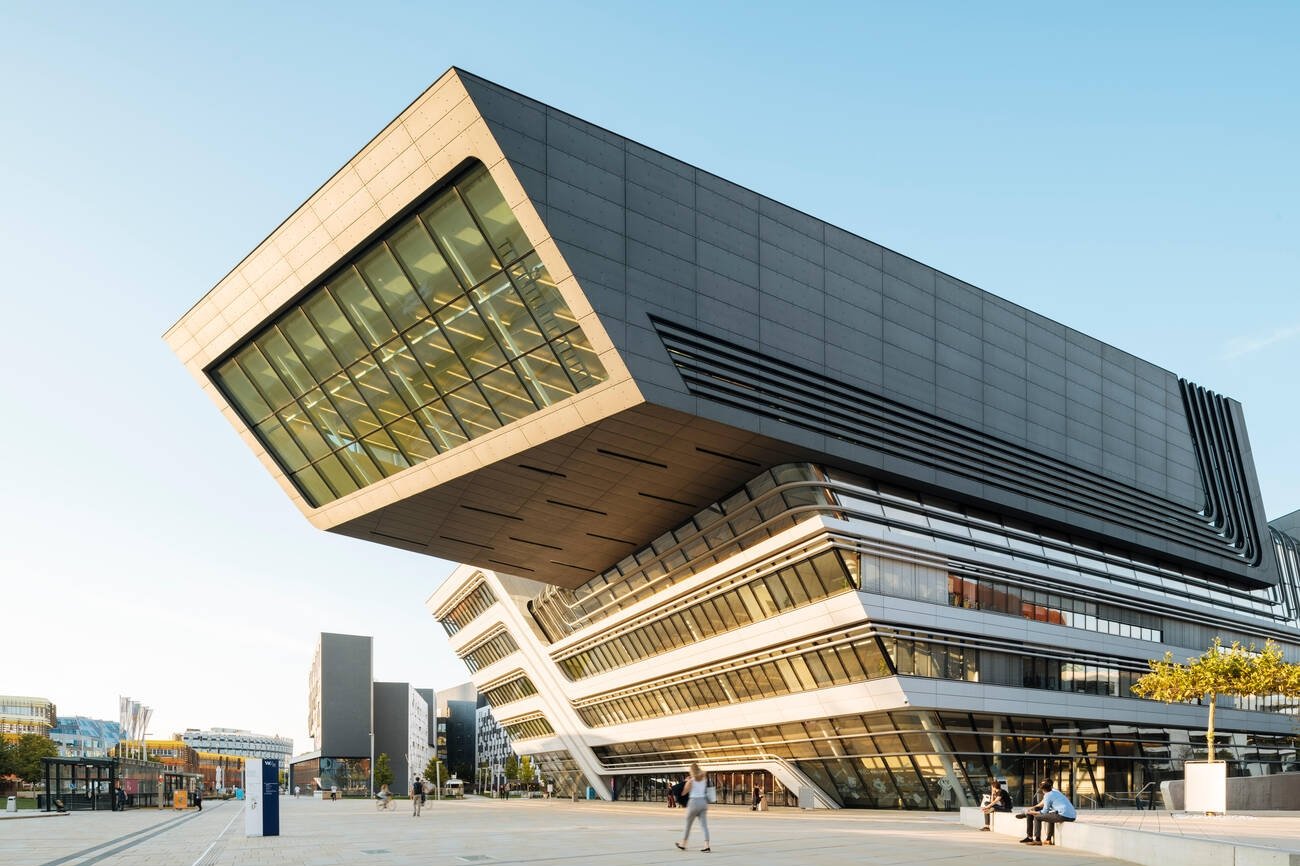
Post-1955, Austria emerged as a neutral country and a major center for international diplomacy, hosting numerous international organizations, including one of the United Nations’ headquarters. The city underwent significant modernisation while preserving its historical architecture. An example of this is Zaha Hadid’s Library and Learning Centre at the Wirtschafts Universität (Vienna University of Economics and Business).
The city has consistently ranked high in global quality of life surveys due to its excellent public services, cultural scene, and green spaces. Modern Vienna is known for its blend of historical charm and contemporary innovation, making it a vibrant and livable city.
Vienna is home to several historic landmarks that are still open to the public, like Tiergarten Schönbrunn (Vienna Zoo), established in 1752, is the oldest functioning zoo in the world and the Prater Ferris wheel, constructed back in 1897 and is the world’s oldest operating Ferris wheel. These places have stood the test of time serving as a reminder of the city’s long history.
Sources:
- Britannica, “Vienna – Imperial Capital, Habsburgs, Baroque”
- Britannica, “Austria-Hungary | History, Definition, Map, & Facts”
- Britannica, “Vienna – Baroque, Art Nouveau, Imperial”
- Stadt Wien, “History of Vienna”
- Visiting Vienna, “WWII locations in Vienna”
- Visiting Vienna, “The Wiener Moderne: an introduction for visitors”
- UNESCO World Heritage Centre, “Historic Centre of Vienna”
- Cambridge University Press & Assessment, “Interwar Vienna”
- Stadt Wien, “Vienna under the Nazi-Regime”
- World Heritage Journeys, “Historic Centre of Vienna, Austria”